
For most property owners across Southern California, finding a water stain on the ceiling or hearing a rhythmic drip-drip-drip during a sudden winter storm creates an immediate sense of urgency. The knee-jerk reaction is entirely understandable: find the quickest, least expensive way to stop the water before it ruins carpet, drywall, or prized possessions. In that high-stress moment, calling a handyman or opting for a low-cost “quick patch” feels like a responsible, frugal decision. It promises to solve the problem for a fraction of the cost of a major roof repair or full replacement.
However, in residential and commercial building maintenance, few financial traps are as deceptive as a superficial roof patch. What feels like an immediate money-saver is very often the first installment payment on a far more expensive crisis. A patch may temporarily stop water from dripping onto your floor, but it often leaves the underlying cause of the leak unchecked. Over time, that trapped moisture continues its silent, destructive work inside your walls and ceiling joists, converting a minor maintenance issue into a major structural and financial liability.
The Anatomy of a Roof Leak: Water’s Elusive Path
To understand why a simple surface patch so often fails, you first need to understand how water behaves when it breaches a building’s exterior. Property owners naturally assume a ceiling stain marks exactly where water is penetrating the roof. Unfortunately, physics and roof design make the reality far more complex.
A roofing system comprises multiple overlapping layers: exterior shingles or tiles, a waterproof underlayment membrane, plywood or OSB decking, structural rafters, insulation, and finally, interior drywall. When water finds a microscopic breach in the outer layer, such as a cracked tile, a lifted shingle, or a failed flashing seal around a vent, it rarely falls straight down. Instead, gravity and surface tension pull the water along the path of least resistance.
Water can enter near the ridge of a roof, travel twenty feet down a wooden rafter, pool on top of an insulation bat, and eventually find an opening in the drywall on the opposite side of the room. When a quick-fix contractor or well-meaning handyman simply slathers a layer of mastic or black tar over the roof surface directly above the ceiling stain, they are almost certainly patching the wrong spot. Worse yet, by sealing the top layer without addressing where the water is actually entering, they trap moisture inside the roofing structure, forcing it to migrate sideways into dry wood and insulation.
The Hidden Financial Costs of Delayed Structural Repair
When an unaddressed or improperly patched leak persists beneath the surface, the true cost begins to compound quietly, out of sight.
1. Wood Rot and Structural Framing Damage
Wood is an organic, porous material that absorbs water like a sponge. When exposed to persistent dampness, especially when trapped beneath heat-retaining roofing materials during a warm Southern California afternoon, wooden rafters, trusses, and roof decking rapidly develop dry rot. As the wood fibers break down, the structural framing loses its load-bearing capacity. What could have been a localized repair of a few square feet of underlayment can quickly escalate into a major structural overhaul requiring the replacement of load-bearing beams, roof sheathing, and exterior fascia.
2. Insulation Destruction and Soaring Energy Bills
Attic insulation relies on trapped air pockets to create a thermal barrier between the exterior climate and your climate-controlled interior. When water saturates insulation, whether fiberglass batts or blown-in cellulose, those air pockets collapse. Saturated insulation loses virtually all of its thermal resistance (R-value). Even after the water dries, the insulation remains compressed and ineffective. As a result, your air conditioning system must work significantly harder during hot valley summers to keep the building cool, driving up monthly utility costs for years following an unresolved leak.
3. Mold Growth and Air Quality Remediation
In the warm, dark, humid environment of a saturated attic, mold spores can begin to germinate in as little as 24 to 48 hours. Once mold takes root in attic insulation or wood framing, simple roofing repairs are no longer enough. Remediating a mold infestation requires specialized environmental contractors, containment barriers, negative-air machines, and costly disposal procedures. Toxic mold spores can also circulate through your HVAC ductwork, posing serious respiratory risks to your family, tenants, or employees.
4. Interior Finishes and Electrical Risks
Water traveling inside wall cavities does not stop until it hits a barrier. It ruins interior paint, swells and collapses drywall, warps hardwood flooring, and destroys cabinetry. Even more dangerous, water tends to follow electrical wiring pathways. Water infiltrating electrical junction boxes, recessed lighting fixtures, or wall outlets creates a severe short-circuit and fire risk that requires emergency electrical repairs.
The Fallacy of Systemic Roof Failure vs. Localized Roofing Damage
Another reason surface patches fail to deliver long-term value is the natural aging of roofing materials. Roofs rarely fail in a single, isolated spot while the surrounding materials remain pristine; they fail systemically.
In Southern California, intense sunlight and ultraviolet (UV) radiation put roofs under constant environmental stress. Over 20 or 25 years, UV rays leach essential oils from asphalt shingles, making them brittle and prone to cracking. On tile roofs, concrete or clay tiles may look durable from the street, but the underlying felt underlayment slowly dries out, shrinks, and cracks under intense day-night temperature swings, known as thermal cycling.
When a roof reaches this stage in its lifecycle, a leak in one area is merely the first visible symptom of a system-wide breakdown. Patching one cracked shingle or caulking one open seam ignores the fact that the surrounding materials are equally brittle and ready to fail. Within weeks or months, a new leak will appear a few feet away, starting a frustrating, costly cycle of repeated service calls, temporary fixes, and recurring interior damage.
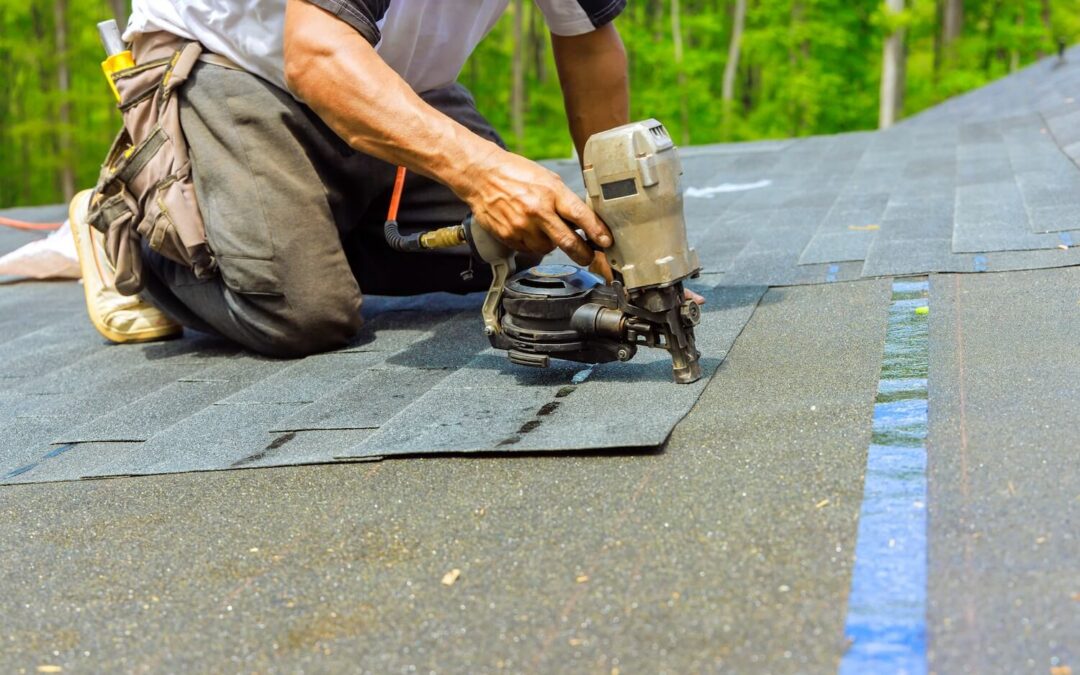
Furthermore, applying a patch can often cause additional damage. An inexperienced worker walking across an aging, brittle tile or shingle roof can easily fracture surrounding tiles or dislodge protective granules, creating multiple new leakage points while attempting to fix one.
The Wrong Roofing Materials: Adding Fuel to the Fire
Not all roofing materials are compatible, and using the wrong product for a quick roof patch can cause chemical degradation that shortens the roof’s life.
For example, many off-the-shelf roofing cements and silicone caulks contain solvents and oils that react negatively with modern single-ply membranes like TPO or PVC, causing the material to bubble, soften, or dissolve. Similarly, applying heavy asphaltic mastic over copper or aluminum flashings can trap corrosive moisture against the metal, accelerating rust and perforation. When incompatible materials are used, they often void the original manufacturer’s warranty, leaving the property owner with no financial protection when a major failure occurs.
The Financial Comparison: Quick Roofing Fixes vs. Comprehensive Care
To appreciate the true economics of roof maintenance, consider two distinct approaches to addressing a recurring leak:
- The Reactive Patching Cycle: A homeowner notices a stain and pays $350 for a quick surface patch. Six months later, water reappears during a heavy storm, destroying a $500 section of drywall and requiring another $400 emergency repair. A year later, hidden rot forces the replacement of damaged fascia boards and mold remediation costing $3,500. After spending over $4,750 on piecemeal repairs and interior restoration, the owner still faces an aging, unreliable roof that requires complete replacement.
- The Proactive Diagnostic Approach: A property owner invests in a comprehensive inspection from a licensed, certified contractor. The team identifies that while the tiles are intact, the underlying felt paper has reached the end of its functional life. They perform a professional “tile reset”, lifting the existing tiles, replacing the worn underlayment and any damaged plywood, installing new flashing, and re-laying the original tiles. This eliminates the root cause, preserves interior finishes, and is backed by a long-term warranty.
From a total cost of ownership perspective, this comprehensive, diagnostic approach is overwhelmingly more economical. It stops the compounding cycle of hidden damage and protects your building’s structural equity.
The “GreatWay” Standard: Diagnosing the Root Cause
At Greatway Roofing, we believe that every property owner deserves honesty, clarity, and long-term value when it comes to protecting their home or business. For over 25 years, our family-owned business has served thousands of clients across Ventura County, the San Fernando Valley, and the Santa Clarita Valley, committed to doing things the right way, never cutting corners or offering band-aid solutions that leave your property vulnerable.
When our manufacturer-certified craftsmen evaluate a leaking roof, we conduct an “inside-out” inspection. We don’t just look at where the water is dripping; we examine the attic space, inspect the structural framing, evaluate ventilation patterns, and trace the true origin of the moisture intrusion. If a minor, localized repair is all that’s needed to restore your roof’s integrity, we will tell you honestly. If the system is failing structurally, we offer transparent options, clear explanations, and itemized pricing with no hidden fees or unexpected surcharges.
Our team operates under a strict six-point pledge of Diligence, Accountability, Professionalism, Respect, Integrity, and Clarity. We treat your property as if it were our own, providing real-time photo and video updates throughout the project so you can see exactly what is happening on your roof without ever having to climb a ladder. To keep the experience stress-free, we do meticulous daily cleanups, respect your landscaping, and even let you sign up for necessary roof work with no cash upfront.
Because our installations and major repairs meet the highest industry standards, Greatway Roofing offers the strongest guarantees in Southern California. Our complete reroofs are backed by a Limited Lifetime Workmanship Warranty that includes a 10-year transferable warranty, providing incredible peace of mind today and adding tangible resale value if you decide to sell in the future.
Furthermore, because our installations and major repairs adhere to the highest industry standards, Greatway Roofing offers the strongest guarantees in Southern California. Our complete reroofs are backed by a Limited Lifetime Workmanship Warranty that includes a 10-year transferable warranty, providing incredible peace of mind for you today and adding tangible resale value to your home if you decide to sell in the future.
Frequently Asked Questions
Is a roof patch ever an appropriate long-term solution?
A patch can be an effective, permanent fix if the damage is truly localized and the surrounding roofing system is relatively young and healthy. For example, if a fallen tree branch punctures a five-year-old shingle roof or an installer dislodges a flashing panel while installing a skylight, a targeted, professional repair can restore the roof’s integrity without requiring a full replacement.
How can I tell if my roof leak has caused hidden structural damage?
Common indicators of hidden structural issues include a musty or damp odor in your attic or upper rooms, visible sagging along the ridge line or roof deck, soft or spongy drywall around ceilings and walls, peeling paint near interior eaves, or dark water stains that continue to spread even during dry weather.
Why shouldn’t I try to patch a minor roof leak myself with hardware store sealant?
Roofing mastics and retail sealants are generally temporary adhesives not engineered for permanent weatherproofing. Applying them incorrectly can trap moisture inside the roof deck, accelerate wood rot, create slick hazards, and damage surrounding materials. Additionally, climbing onto an aging or wet roof presents severe personal safety risks without professional safety rigging.
Will applying a quick patch void my roof’s warranty?
In many cases, yes. Most major roofing manufacturers explicitly state that using incompatible repair compounds, performing uncertified structural alterations, or allowing uncertified contractors to perform work on the membrane will void both material and workmanship warranties.
What is the difference between a surface patch and a professional roof repair?
A surface patch typically involves spreading a sealant or laying a temporary patch over a visible crack without removing old materials or investigating underlying layers. A professional repair removes damaged surface materials, inspects and replaces saturated underlayment or rotted wood decking, installs proper metal flashings, and integrates new, compatible materials seamlessly into the existing roofing system.
How does proper attic ventilation help prevent roof leaks?
Proper attic ventilation balances intake and exhaust airflow, preventing super-heated air from trapping moisture under the roof deck during summer heatwaves. Without adequate airflow, trapped moisture condenses on the underside of the wooden sheathing, causing structural rot and mold that mimics an exterior roof leak.
Roof Conclusion: Protecting Your Property for the Long Haul
A roof is far more than a decorative topping for a building; it is the single most critical protective shield for your family, your property, and your financial peace of mind. While the temptation to choose a quick, low-cost patch for a sudden leak is understandable, the long-term risks of hidden decay, mold, and structural failure make it a dangerous financial gamble.
By investigating the root cause of a leak and investing in professional diagnostic care, you help keep your building dry, safe, and structurally sound for decades to come. Partnering with a trusted local expert like Greatway Roofing assures you of quarter-century expertise, transparent communication, and uncompromised craftsmanship. Protect your investment the right way, because when it comes to the roof over your head, cutting corners is the most expensive choice you can make.