

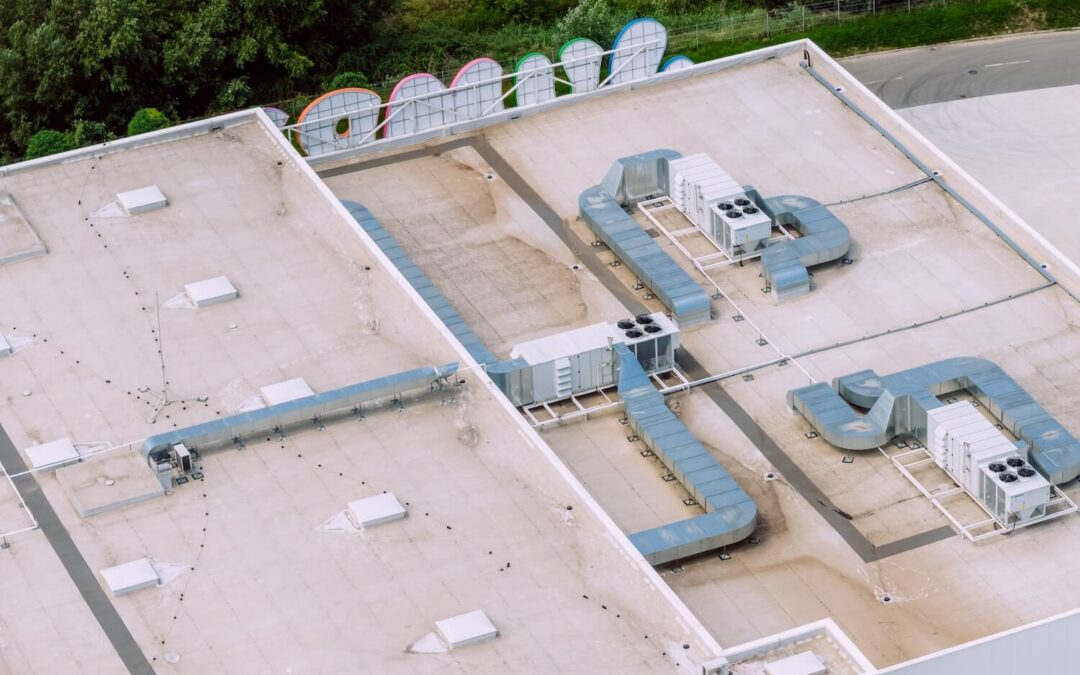
When a heatwave hits or a winter freeze sets in, a malfunctioning heating and cooling system quickly becomes an emergency. You call a licensed HVAC technician, who arrives with heavy equipment, diagnostic toolboxes, metal ducting, and gauges. For hours, they work diligently up on the roof, servicing compressors, replacing rooftop air handlers, or running new refrigerant lines. Down inside the building, the thermostat kicks back on, cold or warm air begins flowing through the vents, and everyone sighs with relief. The HVAC job is officially a success.
However, once the service van drives away, a critical question remains unanswered: Who inspects the roof?
While HVAC technicians are skilled professionals in thermodynamics, airflow, and mechanical systems, they are not trained roofing specialists. While lugging heavy machinery across a roof, setting down sharp metal tools, or prying around unit curbs, unintentional damage to the surrounding roofing system occurs far more often than property owners realize. Because this damage occurs high above eye level, it frequently goes unnoticed until the next major rainstorm drives water into the building structure. Understanding the hidden friction between these two trades, and knowing how to safeguard your property after rooftop mechanical work, is essential for protecting your largest physical asset.
The Unseen Intersection of Rooftop Trades
A building’s roof is a delicately engineered, multi-layered shield designed to keep weather out while shedding water efficiently. Whether it is a flat single-ply membrane on a commercial facility or a sloped tile roof on a residential home, the waterproofing integrity relies on a continuous, uninterrupted surface.
HVAC units, by their very nature, represent a major breach in that continuous shield. Rooftop package units sit on raised wooden or metal frames known as curbs. Ductwork, electrical conduits, and gas lines must puncture the roof membrane to reach the interior ceiling cavity. Each of these penetrations requires specialized sheet metal flashings, rubber boots, and watertight seals.
When an HVAC contractor services or replaces a unit, they must work in close proximity to these vulnerable transition points. The challenge arises because the goals of the two trades are fundamentally different:
- The HVAC Contractor’s Priority: Restoring mechanical climate control, ensuring proper electrical connections, optimizing refrigerant pressure, and verifying system airflow.
- The Roofing Contractor’s Priority: Preserving membrane continuity, ensuring correct flashing overlap, managing drainage patterns, and maintaining a watertight seal across all penetrations.
Because HVAC crews focus primarily on the mechanical operation of their equipment, the surrounding roofing membrane is often treated merely as a staging floor. Without intentional precaution, the physical impact of heavy trade work can leave behind subtle breaches that compromise the building’s exterior.
5 Common Ways HVAC Work Secretly Damages Roofs
Roof damage caused by mechanical contractors is rarely intentional neglect; it’s usually the side effect of moving heavy, sharp equipment in a confined space. Here are the five most frequent types of damage uncovered during post-service roof inspections:
1. Punctures, Tears, and Scratches from Tools and Equipment
HVAC technicians carry heavy metal toolboxes, power drills, sheet metal screws, pry bars, and sharp-edged replacement panels onto the roof. Dropping a heavy tool or dragging an iron compressor across a low-slope membrane (such as TPO, PVC, or modified bitumen) can easily slice or puncture the waterproofing layer. On residential homes, dragging heavy equipment across asphalt shingles or clay tiles can dislodge protective mineral granules or fracture brittle tile surfaces.
2. Crushed Seams and Foot-Traffic Wear Outside Walkways
Commercial low-slope roofs often feature designated walkway pads designed to cushion high-traffic areas around mechanical units. However, when an HVAC crew is maneuvering a multi-hundred-pound unit, workers frequently step outside these reinforced pathways. Repeated foot traffic, heavy pivoting, and kneeling on unreinforced membrane sections can crush underlying insulation boards, create localized low spots, and split heat-welded seams.
3. Compromised Curbs, Flashings, and Sealant Joints
The transition zone where an HVAC curb meets the roof deck is one of the most leak-prone areas on any building. During a unit replacement, technicians must disconnect the old unit from the curb. The leverage required to break old mechanical seals can loosen flashing attachments, crack surrounding sealant beds, or displace metal counter-flashings. If these flashings are not properly re-integrated by a qualified roofer, wind-driven rain will find a direct pathway beneath the unit.
4. Disconnected Attic Exhaust Vents and Flue Pipes
On residential roofs, HVAC and plumbing repairs often involve working around combustion flue vents, the metal pipes that carry dangerous exhaust gases from gas furnaces and water heaters out through the roof. If a technician bumps, twists, or adjusts a rooftop vent stack, the flue pipe can become disconnected inside the dark attic space below. This creates a severe hazard, allowing carbon monoxide and hot combustion gases to vent directly into the attic framing rather than escaping safely outdoors.
5. Leftover Metal Shavings and Chemical Contaminants
Cutting sheet metal ductwork or drilling new mounting holes generates hundreds of tiny metal shavings. If these shavings are left scattered across a roof membrane, they rapidly rust when exposed to morning dew, bonding to the surface and pitting the waterproofing material. Furthermore, refrigerant oils, coil-cleaning chemicals, and unsealed mastic accidentally spilled during HVAC servicing can chemically react with single-ply membranes, causing the material to soften, bubble, or dissolve over time.
The Liability Gap: Who Pays for the Damage?
When a roof leak develops weeks or months after an HVAC contractor has completed their work, property owners often find themselves caught in a frustrating liability dispute.
The Contractual Divide
Standard contracts for mechanical contractors explicitly state that their scope of work covers HVAC equipment and performance, not the building’s structural roof warranty. Unless you document the damage on the day it occurs, proving that a specific tear or cracked tile was caused by the HVAC crew (rather than pre-existing wear or weather) becomes extremely difficult.
The “Pre-Existing Condition” Argument
If you call an HVAC company back to report a leak around a newly serviced rooftop unit, their natural response is often that the roof was already aging, brittle, or leaking prior to their arrival. Without clear, objective “before-and-after” documentation of the roof surface, property owners are left with little recourse.
The Risk to Your Roof Warranty
This scenario presents a major threat to your long-term investment. Most commercial roofing manufacturers, as well as residential warranty providers, explicitly state in their warranty terms that damage caused by “other trades” or unauthorized membrane alterations will void warranty coverage. If an uncertified contractor attempts to slather retail caulk or asphalt mastic over a damaged TPO membrane to “fix” a tear they caused, that temporary patch can instantly void a 20-year manufacturer warranty across the entire roof footprint.
The Post-HVAC Inspection Protocol: A 4-Step Checklist
To bridge the gap between mechanical servicing and roofing protection, property owners should establish a formal post-HVAC inspection routine. Whenever major mechanical work, equipment replacement, or extensive servicing occurs on your roof, ensure that a qualified roofing professional executes the following four-step evaluation;
Step 1: The Interior & Attic Review
An inspection should always begin inside the building. Check the ceiling tiles or drywall directly beneath all rooftop HVAC units for fresh water rings or dampness. In residential properties, inspect the attic space to confirm that all furnace flue pipes and water heater exhaust vents remain securely connected to their rooftop vent caps.
Step 2: Curb and Flashing Detail Check
Examine the base of the HVAC unit. Verify that metal counter-flashings are firmly fastened and that rubber boot seals around electrical conduits remain flexible and uncracked. Ensure that pitch pockets (sealant pans around pipe penetrations) are filled with compatible, non-shrinking sealant.
Step 3: Membrane Field & Surface Audit
Inspect a ten-foot radius around each serviced HVAC unit. Look closely for dropped screws, metal shavings, tool punctures, or oil stains. On tile roofs, check for cracked or shifted tiles where technicians stood while lifting heavy equipment panels.
Step 4: Drainage and Walkway Verification
Verify that foot traffic did not compress the roof deck or block drainage paths. Ensure that scuppers, internal drains, and gutters near the work area remain free of stray mechanical debris, wire ties, or discarded filter frames.
Protecting Your Property with the “GreatWay” Approach
Navigating the complexities of multi-trade rooftop management requires a trusted partner who understands local building codes, manufacturer warranty requirements, and the technical nuances of both residential and commercial structures. Greatway Roofing has spent over 25 years serving property owners across Ventura County, the Santa Clarita Valley, and the West San Fernando Valley, building a reputation grounded in transparency, craftsmanship, and uncompromised integrity.
As a family-owned business, Greatway Roofing recognizes that protecting a building requires a proactive, diagnostic approach. Rather than waiting for an HVAC-related breach to turn into a costly interior emergency, their certified specialists perform thorough roof evaluations before and after major trade projects.
Operating under a strict six-point pledge- Diligence, Accountability, Professionalism, Respect, Integrity, and Clarity- the team at Greatway Roofing provides complete visibility into your roof’s condition. Their inspectors deliver detailed photo and video documentation, giving building owners clear, objective evidence of roof health before mechanical work begins and verifying that all flashings, membrane fields, and penetrations remain 100% watertight after the HVAC crew finishes.
Supported by manufacturer-certified craftsmen and backed by the strongest workmanship warranties in Southern California, Greatway Roofing ensures that your property receives the professional oversight it deserves. By coordinating with other trades and providing expert flashing integration, they protect your structural equity and keep your manufacturer warranties fully intact.
Frequently Asked Questions
Who is legally responsible if an HVAC contractor accidentally damages my roof?
Generally, an HVAC contractor is responsible for property damage caused directly by their crew’s negligence or improper work methods. However, establishing liability requires clear proof that the damage occurred during their service call rather than from pre-existing wear. A documented roof inspection before the HVAC project is the best way to establish responsibility.
Can an HVAC technician perform roof repairs on the damage they cause?
In most jurisdictions, HVAC technicians hold a mechanical license, not a specialized C-39 roofing license. Having an HVAC technician apply retail caulking, tar, or unapproved mastics to a roof membrane often violates local building codes and can immediately void your primary roof warranty. A licensed, certified roofing contractor should always perform permanent roof repairs.
What should I do immediately if I suspect my roof was damaged during an AC replacement?
First, take clear, dated photographs and videos of the damage, the surrounding HVAC unit, and any interior water stains. Second, contact your HVAC contractor to report the issue in writing. Third, schedule an independent inspection with a qualified roofing company to assess the extent of the breach and perform proper, warranty-compliant repairs before weather hits.
Why are disconnected attic vents dangerous after roof or HVAC work?
When furnace flue pipes or water heater exhaust vents become disconnected in the attic, dangerous combustion byproducts, including carbon monoxide, water vapor, and nitrogen oxides, vent directly into your home’s enclosed framing. This poses severe indoor air quality and health risks while causing moisture buildup that leads to attic mold and wood rot.
How can commercial property owners prevent roof damage from outside contractors?
Property managers should implement a formal “Rooftop Access Log” requiring all technicians to sign in and out when accessing the roof. Additionally, establishing mandatory walkway pad rules, conducting pre- and post-service visual inspections, and requiring external trades to place protective plywood pads beneath heavy toolboxes dramatically reduces the risk of accidental membrane punctures.
Conclusion: Securing Your Structural Investment
A modern HVAC system is essential for maintaining indoor comfort and air quality, but the machinery sits on top of the single most important protective barrier your building owns. While heating and cooling technicians focus on keeping your air blowing cold, verifying the watertight integrity of the surface beneath their feet is ultimately up to the property owner.
Leaving your roof’s condition to chance after heavy mechanical servicing is a gamble that often leads to hidden wood rot, voided warranties, and emergency repair costs. By establishing a routine post-HVAC inspection protocol and partnering with trusted, licensed professionals who understand how to protect every layer of your roof, you can enjoy reliable climate control inside without compromising the structural shield above.
Take a proactive step to protect your asset today: verify your roof’s condition after trade work, demand clear documentation, and keep your building dry, secure, and protected for years to come.