

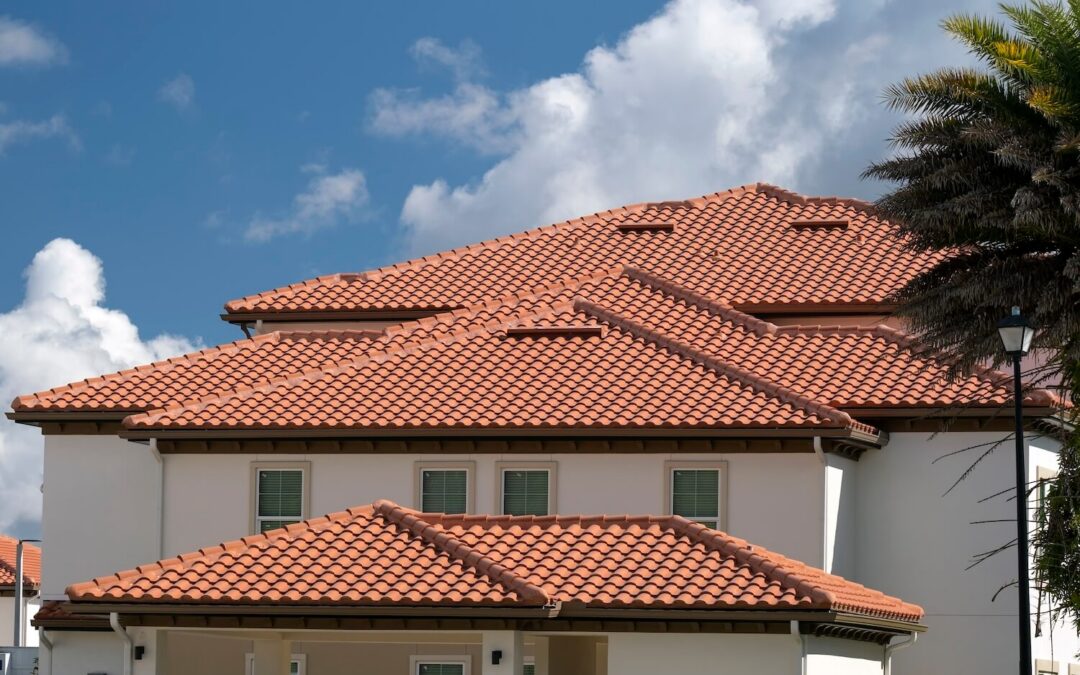
Across the sun-drenched communities of Southern California, from the rolling hills of Ventura County to the expansive residential neighborhoods of the San Fernando and Santa Clarita Valleys, tile roofs are an architectural hallmark. Whether crowning a classic Spanish Colonial, a Mediterranean-style villa, or a modern suburban ranch home, clay and concrete tiles provide an undeniable sense of warmth, elegance, and permanent protection.
For many homeowners, a tile roof carries an aura of invincibility. Clay and concrete materials are built to withstand decades of scorching heat, high UV radiation, and severe weather. However, when a sudden winter rainstorm leaves a water stain on an upstairs ceiling, homeowners often face a perplexing reality: how can a roof made of heavy, durable tile be leaking?
When a professional roofer evaluates a leaking or aging tile roof, the conversation quickly centers on two primary solutions: a tile reset (also known as a lift and re-lay) or a total tear-off and re-roofing project. Understanding the fundamental differences between these two approaches, and learning how to evaluate which one your home actually needs, is the single most important step in protecting your property, preserving your home’s aesthetic charm, and making a smart, cost-effective investment.
The Anatomy of a SoCal Tile Roof: Two Roofs in One
To understand why a tile roof fails, and why a complete replacement isn’t always necessary, you must first understand how a tile roofing system is constructed. A tile roof is essentially two distinct roofing systems stacked on top of one another.
- The Outer Armor (Clay or Concrete Tile): The visible layer of tiles serves as the primary barrier against the elements. Its job is to shed the rainwater, block intense sunlight, and protect the structure from wind-driven debris and airborne embers. High-quality clay tiles can last 50 to 70 years or more without losing their structural integrity, while modern concrete tiles routinely perform for 40 to 50 years.
- The Inner Waterproof Shield (Underlayment & Flashing): Beneath the tiles lies the true waterproofing system. This includes a waterproof underlayment membrane (traditionally organic asphalt felt paper, now often replaced by high-performance synthetic materials or self-adhered cap sheets), wooden battens, metal flashing at valleys and walls, and the structural wood decking.
While clay and concrete tiles can endure for generations, the waterproof underlayment hidden beneath them has a much shorter lifespan. In Southern California, attic and under-tile temperatures can easily exceed 150 degrees Fahrenheit during peak summer months. Over 15 to 25 years of relentless thermal baking, traditional felt underlayment slowly loses its essential oils. It becomes dry, brittle, and cracked.
When wind-driven rain eventually creeps under the tile overlaps, or when water travels down roof valleys, the brittle underlayment can no longer hold it back. Moisture seeps through microscopic cracks in the felt, saturating the wooden decking below and eventually leaking into the living space. In short: your tiles may look brand new from the curb, but the waterproof roof beneath them may be completely worn out.
Option 1: What Is a Tile Reset (Lift and Re-Lay)?
A tile reset, often called a “lift and re-lay” in Southern California, is a specialized restoration process that takes advantage of the long lifespan of your existing tiles. Instead of throwing away perfectly good clay or concrete materials, a tile reset renews everything beneath the surface while preserving the original exterior appearance.
The Step-by-Step Process of a Tile Reset:
- Careful Tile Removal and Stacking: Specialized craftsmen carefully lift the existing tiles by hand and stack them systematically on the roof deck or ground. The weight is distributed carefully across structural load points to protect the framing.
- Complete Sub-Roof Stripping: The old, brittle underlayment, rusted metal flashings, decayed valley metals, and worn wooden battens are completely removed down to the bare wooden deck.
- Deck Inspection and Wood Repair: The exposed plywood or sheathing is thoroughly inspected for dry rot, termite damage, or moisture saturation. Any compromised wood sheathing, fascia boards, or rafter tails are cut out and replaced.
- Installation of Modern Waterproofing Systems: A new, high-grade underlayment system is installed over the clean wood deck. Depending on the roof pitch and local building codes, this may involve heavy-duty synthetic underlayment, double-layer felt, or self-adhered waterproof membranes. New corrosion-resistant valley metals, pipe boots, wall flashings, drip edges, and eave closures (bird stops) are installed with meticulous care.
- Reinstallation of the Original Tile: The saved tiles are carefully re-laid in alignment with current building code fastening requirements. Any tiles broken before or during the lift are swapped out with matching replacement tiles. Finally, hip and ridge caps are securely reset and re-mudded.
The Advantages of a Tile Reset:
- Significant Material Cost Savings: Because you are reusing 85% to 95% of your existing tile, you avoid the significant expense of purchasing thousands of square feet of brand-new clay or concrete tile.
- Preservation of Architectural Character: Older clay tiles develop a natural, weathered patina that is nearly impossible to replicate with new off-the-shelf products. A reset preserves the authentic historic charm of your home.
- Environmental Responsibility: Reusing durable materials keeps tons of heavy masonry waste out of local California landfills.
Option 2: What Is a Total Tear-Off and Replacement?
A total tear-off is a complete structural overhaul. In this process, the entire roofing system, including all existing tiles, underlayment, flashings, battens, and compromised sheathing, is completely stripped off, hauled away, and disposed of. The home is then outfitted with an entirely new roofing system from the wood deck up to a fresh layer of new tiles.
While more labor-intensive and costly in terms of materials, a total tear-off is sometimes the only structurally sound or practical path forward.
When a Total Tear-Off Is Necessary:
- Severe Tile Degradation: If the tiles are crumbling, spalling (flaking into powder), severely cracked from age, or excessively porous, they can no longer protect the underlayment or withstand handling during a lift.
- High Breakage & Unmatchable Profiles: If a roof features a discontinued tile profile or an obscure custom color, and a large percentage of tiles are broken, finding matching replacement tiles may be impossible. Mixing mismatched tiles across visible slopes destroys the home’s curb appeal.
- Structural Material Changes: If a homeowner is converting from an old asphalt shingle roof to a heavy concrete tile roof, or switching between tiles of drastically different weights, a total tear-off and structural engineering evaluation is required.
- Complete Aesthetic Redesign: When undertaking a major home renovation, homeowners often want to change their roof color or profile entirely, for instance, switching from traditional orange Spanish barrel tiles to a sleek, flat charcoal concrete tile.
How to Tell Which Repair Option Your SoCal Home Needs: 5 Critical Decision Factors
Determining whether your home is a candidate for a cost-effective tile reset or requires a total tear-off comes down to a detailed evaluation of five key factors.
1. The Physical Condition of the Tiles
Walk around your home with a pair of binoculars (never walk on a tile roof yourself, as tiles crack easily underfoot and present severe fall hazards). Look closely at the tile surface. Are the corners crisp and intact? Is the color uniform, or are tiles flaking apart into rough, crumbly layers? If most of your tiles are structurally firm and hold their shape, your roof is a prime candidate for a reset. If the tiles crumble when touched, a total replacement is required.
2. Tile Profile and Replacement Sourcing
During any tile lift, a small percentage of tiles (typically 5% to 15%) will break due to age-related brittleness, previous foot traffic damage, or structural removal. A professional roofer must identify the exact manufacturer, profile (barrel, S-tile, or flat), and dimensions of your tile before work begins. If matching replacement tiles are readily available in current production or through reputable salvaged tile yards, a reset is fully viable. If your tile profile is completely extinct and no salvage match exists, a full replacement may be necessary.
3. The Condition of the Underlying Decking (Sheathing)
In older Southern California homes, particularly those built before the 1970s, roofs were sometimes constructed using “skip sheathing” (spaced wooden boards originally designed for wood shake roofs) rather than solid plywood panels. The California Residential Code requires tile roofing to be installed over solid wood structural sheathing. If your home has skip sheathing or extensive structural dry rot across entire roof planes, all tiles must come off so that new solid plywood sheathing can be installed across the entire structure.
4. Local Building Codes and Wildfire Regulations
California has some of the most rigorous building codes in the nation, particularly regarding fire safety and energy efficiency. In designated Fire Hazard Severity Zones or Wildland-Urban Interface (WUI) areas, the California Residential Code requires a Class A fire-rated roof assembly. During a tile reset, contractors must install specialized Class A fire-rated underlayment cap sheets, metal valley flashings, and non-combustible eave closures (bird stops) to prevent wind-blown wildfire embers from entering the hollow spaces under the tiles. If an aging tile roof cannot meet current Class A fire assembly guidelines through a reset, a full system upgrade may be mandated.
5. Your Long-Term Plans for the Property
If you plan to stay in your home for the next 20 to 30 years, or if you are preparing to install a rooftop solar energy system, addressing the underlayment is urgent. Installing solar panels over an aging tile roof with 20-year-old underlayment is a major financial risk, as the solar array will have to be completely removed and reinstalled when the underlayment inevitably fails a few years later. A tile reset before installing solar panels ensures the underlying waterproofing will last as long as the solar equipment itself.
The Greatway Roofing Standard: Honest Diagnostics and Craftsmanship
Choosing between a tile reset and a total tear-off shouldn’t feel like a guessing game. Property owners deserve complete clarity, transparent communication, and an honest assessment based on engineering facts rather than high-pressure sales tactics.
For over 25 years, Greatway Roofing has served as a trusted partner for residential and commercial property owners across Ventura County, the West San Fernando Valley, and the Santa Clarita Valley. As a family-owned local business, they operate with a commitment to elevating how contractors are perceived.
When you consult with the specialists at Greatway Roofing, you receive a comprehensive “inside-out” diagnostic walkthrough. Their certified estimators inspect the roof surface, evaluate attic ventilation, examine timber structures for hidden dry rot, and determine whether your existing tiles can be safely preserved. If a cost-effective tile reset can restore your roof to peak performance, they will lay out a detailed, transparent scope of work that saves you money while protecting your home.
By choosing Greatway Roofing for your residential project, you benefit from their strict six-point pledge: Diligence, Accountability, Professionalism, Respect, Integrity, and Clarity. Manufacturer-certified craftsmen execute every project and follow a rigorous job-site checklist. Homeowners receive real-time photo and video updates throughout construction, allowing you to see the deck repairs and underlayment installation firsthand. Backed by a Limited Lifetime Workmanship Warranty with a 10-year transferable coverage guarantee, a clean daily job-site policy, and no cash required upfront, you can move forward with complete peace of mind.
Frequently Asked Questions
Can you really reuse 30-year-old roof tiles?
Yes! High-quality clay and concrete tiles are engineered to withstand decades of sun and rain. In most cases, the tiles themselves are perfectly sound; only the felt paper, flashing, and wooden battens beneath them have degraded. As long as cracked or broken pieces are replaced with matching tiles, reusing your original tile through a reset is completely approved by California building codes.
How much money can a tile reset save compared to a full replacement?
While labor costs for a tile reset are similar to a tear-off (since every tile must be handled by hand twice), you save significantly on material purchases. Purchasing new high-end concrete or clay tile can add thousands of dollars to a project budget. A tile reset eliminates the cost of buying new primary tile materials while delivering the same 20-to-30-year waterproofing performance beneath the surface.
How long does a tile reset take to complete?
While the timeline depends on roof size and weather conditions, a professional crew can typically complete a residential tile reset in three to five working days. This includes lifting the tiles, repairing damaged wood sheathing, laying new underlayment, installing new flashings, and resetting the tiles.
Will a tile reset match the original look of my home?
Yes. In fact, a tile reset preserves the original look of your home better than buying new tile, because your existing tiles maintain their natural, weathered patina. When replacement tiles are needed for broken pieces, an experienced contractor will place them on less visible rear slopes or valley cuts, keeping the original weathered tiles front and center along street-facing slopes.
Do I need a city permit for a tile reset in Southern California?
Yes. Local building departments in Ventura and Los Angeles Counties require a re-roof permit for a tile reset. This ensures that the work complies with modern California Residential Code standards, including proper underlayment specifications, flashing gauges, eave ember protections, and structural deck repairs. A reputable licensed contractor will handle the entire permitting and inspection process for you.
How can I check if my underlayment is failing without climbing on the roof?
Start in your attic during or immediately after a heavy rainstorm. Use a flashlight to inspect the underside of the wooden roof deck, paying close attention to areas around chimneys, roof valleys, pipe vents, and exterior eaves. Look for dark water stains, damp insulation, or peeling paint near the eave lines. If you spot moisture inside, your underlayment has been breached.
Conclusion: Protecting Your Home from the Deck Up
Your tile roof is one of the most prominent, beautiful, and valuable features of your Southern California home. When moisture breaches your ceiling, it is easy to assume the worst and fear that an expensive, complete roof replacement is your only option.
By understanding that a tile roof is two systems in one, you can approach tile roof maintenance with confidence. In many cases, a precision tile reset provides the perfect middle ground: renewing your home’s waterproofing protection, bringing your roof up to modern building codes, and saving you thousands of dollars in material costs, all while preserving the timeless architectural character of your residence.
Whether your home needs a targeted tile reset, a complete structural re-roof, or simple preventative maintenance, success depends on partnering with a local, licensed contractor who values integrity, transparency, and uncompromised craftsmanship. Invest in a diagnostic evaluation today, protect the structural foundation beneath your tiles, and ensure that your home remains a safe, dry, and beautiful sanctuary for decades to come.