

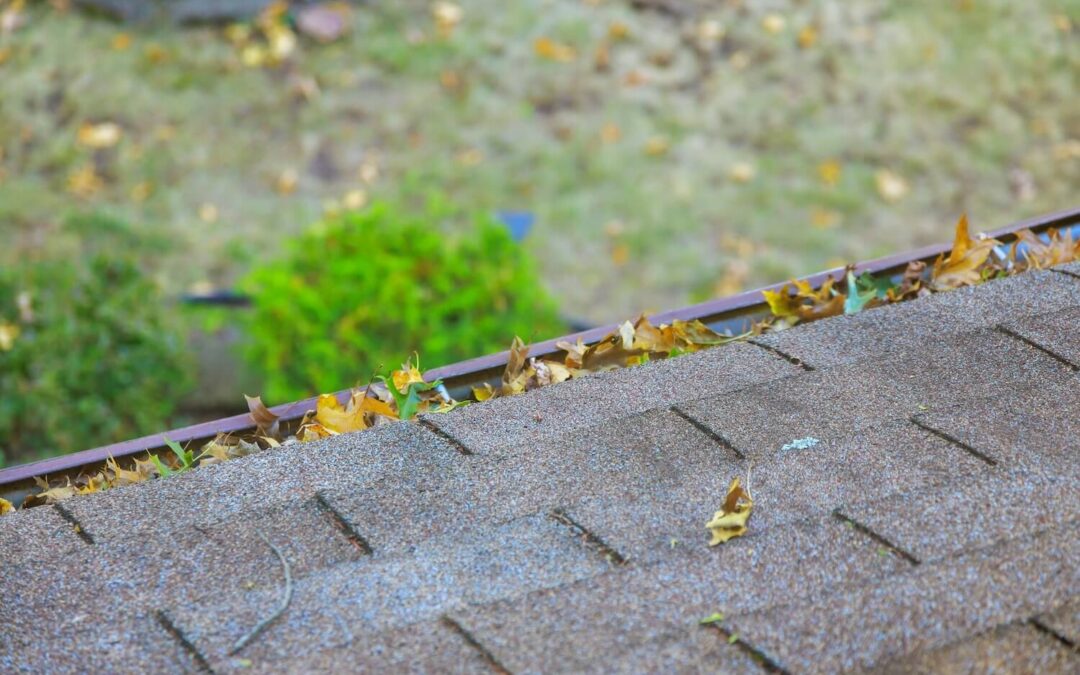
As rain falls steadily across Southern California, most homeowners relax inside, listening to the patter on the roof and assuming their drainage system is quietly doing its job. Down at the lower edge of the roofline, however, a destructive scene may be unfolding. Leaves, twigs, seed pods, and windblown dust accumulate in gutter troughs over months of dry weather. When a heavy storm hits, this trapped debris creates a dense, soggy dam. Instead of channeling rainwater safely to downspouts and away from the foundation, the gutter fills, creating an environmental hazard called eave overflow.
Eave overflow is far more than a minor annoyance or a messy spill over the side of the house. When water backs up in a clogged gutter, it looks for the path of least resistance. Blocked from flowing forward, rainwater spills backward behind the gutter trough, soaking into the trim boards, fascia, drip edge, and structural plywood decking that line the edge of your roof. Because the metal gutter shelters this moisture from sun and wind, it stays wet for days or weeks after the storm passes. Over time, this chronic dampness triggers wood rot, structural decay, and costly interior damage. Understanding how clogged gutters damage your eaves, and how to stop the decay before it spreads, is vital to preserving your roof‘s long-term integrity.
The Hidden Anatomy of Your Home’s Eaves
To understand why eave overflow is so destructive, it helps to look at how your roof edge is built. The eave is the lower boundary of the roof that overhangs the exterior walls. It is an intricate assembly of interlocking wood, metal, and waterproofing components designed to work together to shed water.
At the core of this system are the roof rafters, the heavy sloped timbers that form the skeleton of your roof framing. The fascia board extends horizontally across the ends of these rafter tails. The fascia serves two critical functions: it acts as protective trim that seals the open attic space from weather and pests, and it provides a solid mounting anchor for your gutter brackets.
Directly above the fascia sits the wood decking (often plywood or oriented strand board sheathing), which provides the solid deck upon which felt underlayment and shingles or tiles are installed. An L-shaped metal flashing, known as the drip edge, bridges the tiny gap between the roof decking and the top of the gutter. The drip edge is tucked beneath the bottom row of shingles and extends slightly into the gutter channel, ensuring that water trickling off the roof edge falls cleanly into the trough rather than running down the face of the fascia wood.
When gutters are clean and functioning properly, this entire system operates seamlessly. Rainwater flows down the sloped shingles, cascades over the drip edge, enters the gutter, and drains down the spout. However, when debris blocks the downspout outlets, the entire system breaks down, turning the eave into a catchment basin for standing water.
The Chain Reaction of Rot Damage: How Overflow Destroys Wood
Wood rot is a biological breakdown caused by microscopic fungi that feed on damp wood fibers.
These fungi require three conditions to thrive: oxygen, mild temperatures, and persistent moisture. Clogged gutters provide the perfect breeding ground. The destruction unfolds in a predictable, multi-stage chain reaction that slowly compromises the structural integrity of your home’s roof edge.
Stage 1: Paint Failure and Trapped Surface Moisture
Most exterior fascia boards are made of pine or similar softwoods coated with a layer of exterior primer and paint. In a healthy system, this paint acts as a waterproof shield. However, when gutters overflow, water backs up behind the metal trough and pools directly against the fascia board’s upper edge.
Unlike rain falling on an open wall, which dries quickly once the sun comes out, water trapped between a gutter and a fascia board stays trapped in a dark, humid microclimate. The wood soaks up this water like a sponge. As the wood fibers absorb moisture, they expand. This constant expansion and contraction breaks the bond between the wood and the paint, causing the protective coating to bubble, crack, and peel along the upper seam.
Stage 2: The Onset of Fascia Rot
Once the paint seal is breached, bare wood is exposed to continuous dampness. Decaying leaf litter in the clogged gutter transfers moisture and organic matter directly onto the raw wood, creating an ideal habitat for rot fungi. Soft rot begins at the top edge of the fascia board, hidden behind the gutter’s top lip and out of sight from the ground.
As the fungi break down the lignin and cellulose within the wood, the fascia loses its density and structural strength. What was once solid timber becomes soft, spongy, and brittle. At this stage, the screws or nails holding the heavy gutter system begin to lose their grip. As the wood softens, the weight of water-logged debris pulls the fasteners out of the board, causing the gutter to sag, tilt forward, or pull completely away from the roofline.
Stage 3: Infiltration into Roof Decking and Underlayment
The damage rarely stops at the fascia board. Water is naturally drawn upward and sideways through the wood’s porous fibers by capillary action. As the fascia becomes saturated, water wicks upward into the edge of the plywood roof decking and underlayment.
Roofing shingles and tiles are designed to shed water downward in the direction of gravity. They offer almost no resistance to water pushing upward or traveling sideways underneath them. When water backs up under the lower starter row of shingles, it saturates the edge of the plywood sheathing. Plywood consists of thin layers of wood glued together; prolonged moisture exposure causes the layers to delaminate, swell, and rot. This softens the very foundation holding your bottom shingle rows in place.
Stage 4: Rafter Tail Decay and Structural Spread
If eave overflow goes unaddressed across multiple rainy seasons, moisture reaches the building’s structural skeleton: the roof rafter tails. The fascia board is nailed directly into the ends of these rafter tails. Once rot consumes the fascia, fungal spores and moisture travel through the contact point into the framing timbers.
Replacing a rotted fascia board is a relatively straightforward carpentry task. Replacing rotted rafter tails, however, is a complex, labor-intensive structural repair. It requires stripping back large sections of the roof, cutting away damaged timber framing, sistering new support beams to the existing rafters, and rebuilding the eave architecture from scratch.
Warning Signs: Catching Eave Damage Before It Spreads
Because eave rot often starts behind metal gutters and beneath shingle overlaps, homeowners often miss the early warning signs. However, by observing your roofline during and after a rainstorm, you can spot several clear indicators that eave overflow is occurring:
- Water Dripping Behind the Gutter: If you notice water trickling between the back of the gutter and the fascia board during rain, rather than pouring out over the front edge, your gutters are either clogged, mounted improperly, or lacking a proper drip edge flashing.
- Peeling or Bubbling Paint Along the Eaves: Flaking, blistering, or discolored paint along the fascia board or soffit panels directly below the roofline clearly shows that water is trapped beneath the surface.
- Sagging or Leaning Gutters: Gutters that tilt forward or pull away from the house have often lost structural support because the fascia board behind the mounting brackets has rotted and softened.
- Stains or Streaking on Exterior Walls: Dark vertical streaks on exterior siding beneath the roof edge indicate that dirty, debris-filled water regularly overflows the trough and runs down the building face.
- Spongy Wood Texture: If you touch the upper edge of a fascia board from a ladder and the wood feels soft, damp, or easily yields to pressure, rot has already set in.
- Interior Water Stains at Ceiling Edges: Moisture that penetrates the roof decking at the eave will often travel along interior ceiling joists, manifesting as yellow or brown water stains on interior drywall near exterior walls.
Prevention and Professional Diagnostic Care
Preventing eave overflow and the costly wood rot that follows requires a proactive approach to home and roof maintenance. Cleaning gutter troughs and flushing downspouts at least twice a year, typically in the late spring and late fall, ensures that water can move freely off your roof during sudden heavy downpours.
However, clearing leaves from a trough is only half the battle. If an aging roof lacks proper drip edge flashing, or if years of minor overflow have already softened the underlying sheathing, cleaning the gutters will not undo the structural decay beneath. This is where comprehensive, professional diagnostic evaluation becomes essential.
Partnering with an experienced local contractor like Greatway Roofing ensures your entire eave ecosystem, from shingles and underlayment to fascia boards and structural sheathing, is evaluated precisely. Instead of quick surface fixes that mask deeper issues, a thorough inspection checks hidden areas behind gutters to catch moisture intrusion before it threatens your home’s structural framing.
Greatway Roofing brings over 25 years of local expertise serving homeowners across Ventura County, the San Fernando Valley, and the Santa Clarita Valley. As a family-owned business committed to complete transparency, our certified team conducts detailed walkthroughs and provides homeowners with real-time photo and video updates on existing roof edge conditions. Whether your property needs a minor fascia repair, a targeted tile reset, or a full system replacement, working with a trusted partner ensures repairs are done right the first time.
With Greatway Roofing, homeowners benefit from a strict six-point pledge of diligence, accountability, and integrity. Manufacturer-certified craftsmen handle every project, backed by clear communication, meticulous daily cleanups, and the strongest workmanship warranties in Southern California. By taking a proactive approach to eave care, you protect your structural wood framing and avoid emergency repair costs.
Frequently Asked Questions
How do clogged gutters cause rot on fascia boards and roof decking?
When leaves and debris block gutters, rainwater cannot drain through the downspouts.Water accumulates in the trough and spills backward over the rear edge, pooling between the metal gutter and the wooden fascia board. Because this area stays dark and sheltered, the wood absorbs moisture continuously, breaking down the paint seal and allowing wood-decaying fungi to rot both the fascia and the adjacent plywood roof decking.
Can fascia board rot spread to the rest of my roof structure?
Yes. Fascia boards are mounted directly to the ends of your roof rafters. If water rot persists on the fascia, moisture wicks upward into the plywood roof sheathing and travels inward along the rafter tails. Left unaddressed over multiple seasons, this decay can compromise your roof’s primary structural framing.
How do I know if my fascia boards need repair or replacement?
A simple way to check a fascia board’s condition is to test its firmness. Healthy wood offers crisp, solid resistance when pressed or knocked. If the board feels soft, spongy, or crumbles easily under light pressure, the internal wood fibers have decayed, and you must replace the board before you can securely mount new gutters.
Why is water leaking behind my gutters even when they aren’t overflowing over the front?
Leaking behind gutters usually indicates a missing, improperly installed, or damaged drip edge flashing. Without a functional metal drip edge tucked beneath the shingles and extending into the gutter channel, surface tension causes water trickling off the roof edge to curve backward and run directly down the face of the wood fascia board.
How often should gutters be cleaned to prevent eave overflow and wood rot?
In Southern California, inspect and thoroughly clean gutters at least twice a year: once in late spring, after trees have dropped seeds and blossoms, and once in late autumn, before the winter rain season begins. Homes surrounded by dense foliage or pine trees may require more frequent cleanings or high-quality gutter protection systems.
Conclusion: Protecting Your Home From the Eaves Up
Your roof and your gutter system are designed to operate as a single, unified defense against the elements. When gutters clog and overflow, that defensive barrier turns against itself, turning life-giving rain into a catalyst for hidden wood rot, structural decay, and interior damage.
Ignoring eave overflow or assuming an overflowing gutter is merely a cosmetic nuisance is a costly mistake. By recognizing the warning signs of eave decay, keeping drainage pathways clear, and investing in routine professional inspections, you can protect your fascia boards, roof decking, and framing timbers for decades.
Take a proactive step toward protecting your home’s structural equity. Inspect your eaves after the next rain, prioritize regular maintenance, and partner with experienced professionals who understand the importance of getting every detail right. Keeping your roof edge dry and secure today is the single best way to ensure your home remains a safe, beautiful sanctuary for years to come.